|
|
|
The subject index
/
Neva Battle (1240)
hidden
|
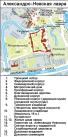
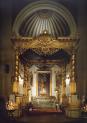
Alexander Nevsky Lavra
ALEXANDER NEVSKY LAVRA, located at 1 Alexander Nevsky Square. The monastery dedicated to the Holy Trinity and St. Alexander Nevsky. It was founded in 1710 by Tsar Peter the Great at the confluence of the Chernaya River (today the Monastyrka River)
|
|
|
|
|
hidden
|
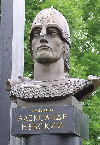
Alexander Nevsky, Prince (1220 or 1221-1263)
ALEXANDER NEVSKY (1220 or 1221-63), Prince of Novgorod (1236-51, not continously), of Tver (1247-52), Grand Prince of Kiev (1249-52) and Vladimir (1252-63), from the Rurikid Dynasty (11th generation), son of Yaroslav Vsevolodovich
|
|
|
|
|
hidden
|
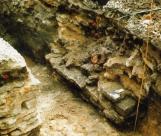
City Archaeology
CITY ARCHAEOLOGY. A branch of archaeological research, developed in St. Petersburg (Leningrad) from the middle of the 20th century. Archaeological research in the city started with archaeological excavations conducted in 1952 by archaeologist A.D
|
|
|
|
|
hidden
|
Izhora, river
IZHORA, also known as Inger river, a tributary to the Neva. The river draws its water through the Izhora Hills from a spring near Skvoritsa village of Gatchinsky District
|
|
|
|
|
hidden
|
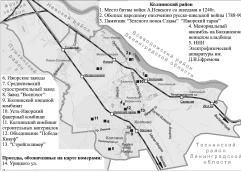
Kolpinsky District
KOLPINSKY DISTRICT, an administrative and territorial unit of Saint Petersburg (with the territorial administration situated in Kolpino, at 1 Uritskogo Street). The name derives from the town of Kolpino which is the centre of the district
|
|
|
|
|
hidden
|
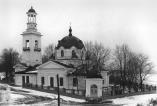
St. Alexander Nevsky Church in Ust-Izhora
ST. ALEXANDER NEVSKY CHURCH IN UST-IZHORA, the church dedicated to St. Blessed Prince Alexander Nevsky, located at Ust-Izhora, 217 Ninth of January Avenue. A memorial church erected on the left bank of the Izhora River at the confluence of the
|
|
|
|
|
hidden
|
Swedes
SWEDES, an ethnic community forming a part of the St. Petersburg population. Believers practice Lutheranism. The Swedes attempted to take control of the Neva Region from the 13th century onwards (see the Battle of the Neva 1240, Landskrona)
|
|
|
|
|
hidden
|
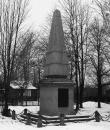
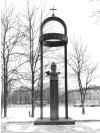
The Monument to Alexander Nevsky
This outstanding commander of the Ancient Rus, the greatest military leader of that time, the Grand Prince of Novgorod and Vladimir and his small army and Ladoga militia defeated the Swedish forces on July 15 (21), 1240
|
|
|
|
|
hidden
|
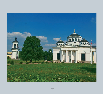
The Saint Sophia Cathedral
The cathedral was built in commemoration of our victories in the Russo-Turkish wars.
The foundation stone of the cathedral was laid in the presence of Catherine II on July 30, 1782. The consecration took place on May 20, 1788
|
|
|
|
|
hidden
|
Ust-Izhora, settlement
UST-IZHORA, an urban settlement (1938), within the Kolpinsky District (1952), on the left bank of the Neva River, where it meets the Izhora River (hence the name)
|
|
|
|
|
|
hidden
|
|